
Practical Parenting Guide for Families in Kirov: From Pregnancy to Early Childhood
Introduction
This concise, practical guide is for parents and parents-to-be in Kirov, Russia. It covers pregnancy preparation, birth and newborn care, breastfeeding, early childhood development, family dynamics, and useful local-minded tips (climate, local services, documents). Use this as a checklist and starting point — always consult your obstetrician, pediatrician, or local health services for medical advice specific to you and your baby.
Pregnancy preparation
— Book early prenatal care with a local obstetrician (акушер‑гинеколог) and attend recommended scans and tests.
— Start folic acid before conception and continue per your doctor’s advice. Ask your provider about prenatal vitamins and iron if needed.
— Stop smoking and avoid alcohol; get help from your clinic if stopping is difficult.
— Eat a balanced diet, stay active with pregnancy‑safe exercise, and get enough rest.
— Take childbirth preparation classes if available — ask your perinatal center or поликлиника about local groups.
— Prepare practical items: basic newborn clothes (layers for Kirov winters), a car seat, baby carrier/stroller suited for snowy conditions, and a packed hospital bag.
Birth and hospital basics
— Find out where you plan to deliver (ask about the local perinatal center or maternity hospital, and their visitor and support policies).
— Know the documents you’ll need for registration after birth (passport, medical records, insurance card) and where to register the baby (МФЦ or ЗАГС — check your municipal office).
— Make a birth plan but stay flexible — prioritize safety and medical advice.
— Learn early breastfeeding basics and skin‑to‑skin benefits for immediate postpartum bonding.
Newborn and baby care essentials
— Safe sleep: place baby on their back in a firm crib or bassinet without loose bedding. Avoid overheating; in winter use layers and sleep sack rather than heavy blankets.
— Feeding: follow your pediatrician’s guidance on breastfeeding or formula. Feed on demand in early weeks and watch for feeding cues.
— Cord and navel care: keep area clean and dry; consult your pediatrician for any redness, discharge, or fever.
— Bathing: sponge baths until the umbilical stump falls off; once healed, a few baths per week are enough—daily gentle cleaning of face, neck, and diaper area as needed.
— Diapering and skin: change diapers frequently; use gentle products for sensitive skin. In cold months, protect exposed skin from wind and dry indoor air.
— When to call a doctor: fever in a newborn, poor feeding, persistent vomiting, difficulty breathing, blue lips, or any sudden change in behavior—contact your pediatrician or emergency services (112) immediately.
Breastfeeding: practical tips
— Aim for early latch and skin‑to‑skin contact after birth if possible.
— Try different positions (cradle, football, side‑lying) to find what’s comfortable.
— Common issues: sore nipples, engorgement, blocked ducts. Seek help early from a lactation consultant or your clinic.
— If returning to work, plan pumping and milk storage. Ask about local lactation support groups — many cities have parent groups on VK or Telegram.
— Hydration and balanced nutrition help milk production; consult a provider before taking supplements or medications.
Early childhood development (0–3 years)
— Talk, sing, and read to your baby from day one — language exposure is crucial.
— Tummy time daily to build neck and upper‑body strength once the umbilical stump is healed.
— Play and routine: short, consistent routines around sleep and meals help security and development.
— Limit screens; interactive play is the highest value for brain growth.
— Watch developmental milestones (rolling, sitting, babbling, first words) and discuss concerns with your pediatrician early — early intervention helps.
Family dynamics and parental wellbeing
— Share caregiving tasks; involve partners and family to reduce stress.
— Accept help from trusted relatives or friends during the early months.
— Watch for signs of postpartum depression or anxiety (persistent sadness, inability to cope, extreme worry). Seek help from your clinic, a therapist, or community services.
— Communicate expectations with your employer about leave and return; check local social services for parental benefits and registrations (МФЦ, пенсионный фонд or HR department can advise).
Kirov‑specific practical tips
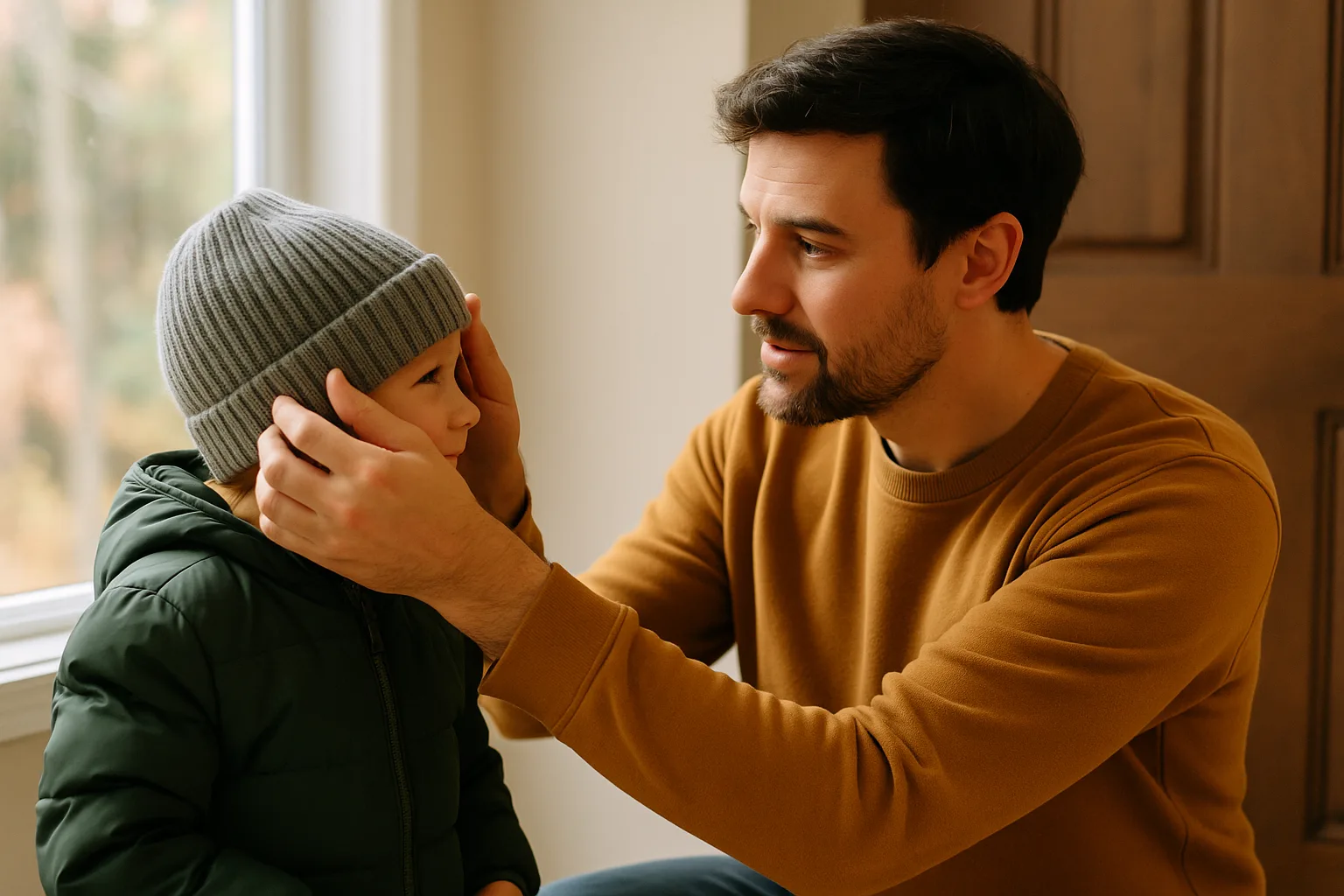
— Climate: long, cold winters — invest in proper outerwear, breathable layering for baby, a good stroller with weather cover, and a room humidifier to combat dry heated air.
— Outdoor time: fresh air is valuable but limit exposure in extreme cold; use a baby carrier under coat or a stroller with insulated cover and footmuff.
— Seasonal care: protect skin from wind and dryness; use gentle emollients and sunscreen in summer.
— Local resources: if unsure where to start, contact your polyclinic (поликлиника)

Вам также может понравиться

Рахманин и подгузники: Неожиданные аспекты ухода за новорожденным
Практическое руководство для родителей в Кирове: уход за младенцем, развитие, грудное вскармливание и семейная поддержка