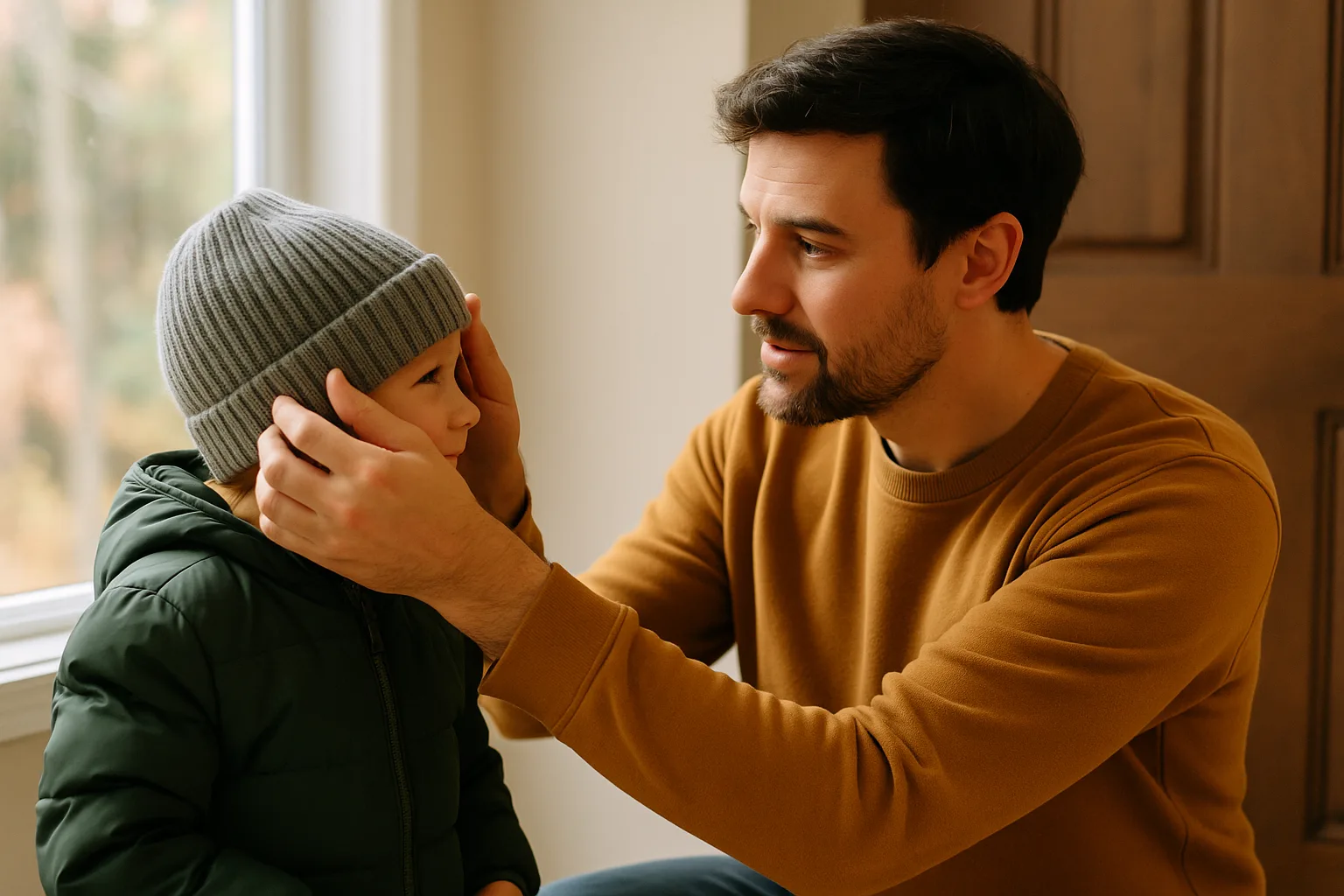
Practical Parenting Guide for Families in Kirov — Pregnancy, Baby Care, Breastfeeding, Early Development, and Family Life
Quick overview
This guide gives practical, Russia‑specific advice for families in Kirov (Киров) — pregnancy preparation, newborn and baby care, breastfeeding, early childhood development, family dynamics, and local practical steps. It balances medical basics with everyday tips for the Kirov climate and local services. Always follow the advice of your local doctor or maternity clinic (родильный дом / женская консультация).
Emergency contacts (Russia)
— Ambulance: 103 (or 112)
— Fire: 101
— Police: 102
Keep these numbers saved on every caregiver’s phone.
—
Pregnancy preparation (before the birth)
— Register with a local antenatal clinic (женская консультация) as early as possible and keep regular visits with your obstetrician (акушер‑гинеколог).
— Take prenatal vitamins: folic acid early in pregnancy, then prenatal multivitamin with iron and iodine as recommended by your doctor.
— Get routine screening and ultrasound on the recommended schedule; ask the clinic for a copy of results for your personal file.
— Learn about maternity benefits and paperwork: maternity leave (декретный отпуск), pregnancy and childbirth allowance (пособие), and maternal capital (материнский капитал). Check current rules at the Pension Fund (ПФР), Social Insurance Fund (ФСС) or your local МФЦ.
— Visit your chosen maternity hospital (родильный дом / перинатальный центр) to learn their admission rules, pain relief options, and neonatal care capability.
— Prepare a birth bag (for you and for baby): documents (passport, hospital card), comfortable clothes, toiletries, diapers, receiving blanket, nursing bras, small supplies for partner.
— Consider childbirth classes (акушерские/перинатальные курсы) — they help with breathing, partner support, breastfeeding basics, and newborn care.
—
Birth and immediate postpartum
— Know your rights: ask the hospital staff about rooming‑in (сommon practice), visiting rules, and breastfeeding support.
— If planning to breastfeed, initiate nursing within the first hour if possible — early latch helps milk supply.
— Keep phone numbers for the on‑call pediatrician at the hospital and the local поликлиника (children’s clinic).
—
Newborn care basics
— Feeding: breastmilk is recommended; formula under pediatric guidance if needed. Feed on demand in early weeks.
— Sleeping: newborns sleep a lot but wake frequently. Use safe sleep practices: place baby on their back, flat firm surface, no loose bedding, avoid overheating.
— Diapering and skin: change diapers often, clean folds gently, treat redness with recommended ointments. Use mild detergents for baby clothes.
— Bathing: sponge or short baths until the umbilical stump heals; warm water and mild soap thereafter.
— Temperature: Kirov winters are cold — dress baby in layers inside and out. Indoors in winter, home heating can dry air; use a humidifier and ventilate rooms safely.
— Fever and warning signs: contact a pediatrician for fever (rectal ≥38°C in infants under 3 months; earlier contact advisable), poor feeding, difficult breathing, blue lips, decreased activity, or persistent vomiting.
— Vaccinations: follow the national immunization schedule; vaccines are provided at municipal children’s polyclinics. Discuss timing and any concerns with your pediatrician.
—
Breastfeeding practical tips
— Early latch: skin‑to‑skin contact and early feeding promote success.
— Common issues: sore nipples (check latch), engorg