
Practical Parent’s Guide for Kirov Families: Pregnancy, Baby Care, Early Development, Breastfeeding, and Family Life
Introduction
This guide brings practical, local-minded advice for parents in Kirov and the surrounding Kirov Oblast. It covers pregnancy preparation, childbirth planning, newborn care, breastfeeding, early childhood development, family dynamics, and everyday tips that take Kirov’s climate and local services into account. Use this as a compass — always check with your obstetrician, pediatrician, or local health clinic for medical decisions.
Pregnancy preparation
— Book early with your local женская консультация (antenatal clinic) to begin regular prenatal checks.
— Start folic acid before conception and during early pregnancy — discuss dosage with your doctor (many guidelines suggest ~400 µg daily, but confirm with your provider).
— Attend antenatal classes if available in Kirov — look for hospital-run courses or private childbirth education groups.
— Prepare a birth plan but stay flexible. Ask about the procedures and visiting rules at the maternity hospital where you expect to deliver.
— Organize legal and financial paperwork early: parental leave options, maternity capital (материнский капитал) eligibility, and local social service contacts — the social protection office (соцзащита) can advise on benefits.
— Consider mental-health preparation: learn about postpartum mood changes and where to get support locally.
Labor and hospital practicalities
— Pack a hospital bag well before the due date: ID, maternity card, comfortable clothes, essential toiletries, items for baby, phone charger, copies of documents.
— Check the hospital’s policy for companions during labor and for early mother–baby contact (rooming-in, skin-to-skin).
— Familiarize yourself with emergency numbers: 103 (ambulance) and 112 (general emergency in Russia).
— Ask the maternity hospital about on-site lactation support and newborn hearing/health screenings.
Newborn care essentials
— Sleep safety: place babies on their backs in a clear, firm crib or люлька; avoid loose bedding and soft toys in the sleep area.
— Temperature and clothing: Kirov has cold winters — dress layers, use breathable fabrics, and keep indoor humidity comfortable (not too dry).
— Bathing and hygiene: sponge-bathe newborns until the cord falls off; follow your pediatrician’s guidance on bathing frequency and umbilical care.
— Umbilical and cord care: follow pediatric clinic instructions; seek medical advice if redness, discharge, or fever appears.
— Routine pediatric visits: register your baby with a детская поликлиника and keep vaccinations and check-ups up to date per national recommendations.
Feeding: breastfeeding and alternatives
— Aim for early initiation of breastfeeding where possible; skin-to-skin and first latch are helpful for both feeding and bonding.
— Breastfeeding basics:
— Feed on demand, especially in the first weeks.
— Focus on good latch and multiple positions — ask a lactation consultant for hands-on help.
— Look for local breastfeeding support: hospital lactation specialists, mother-and-baby groups, or pediatric nurses.
— If using formula: follow manufacturer instructions strictly and check with your pediatrician before introducing supplements.
— Expressing and storage: discuss hygienic pumping and storage practices with your clinic. Local guidelines and manufacturer instructions are best sources.
— If you have concerns (low milk supply, pain, mastitis, or infant feeding issues), contact your healthcare provider or a certified lactation consultant promptly.
Early childhood development (0–3 years)
— Talk, sing, and read from day one — language exposure is the strongest predictor of early vocabulary.
— Play and routines:
— Create predictable daily routines for naps, meals, and play.
— Use simple toys, stacking cups, books, and safe household items for sensory play.
— Encourage tummy time from the first weeks to support motor development.
— Social development:
— Regular caregiver responsiveness builds secure attachment.
— Short, supervised playdates and family interactions support social skills.
— Early education resources: look for центры раннего развития, music and movement classes, and library story-times in Kirov.
— Screen time: avoid screens for infants; for toddlers limit passive screen exposure and prioritize interactive play.
Family dynamics and parental wellbeing
— Share responsibilities: realistic role-sharing between partners reduces stress and boosts wellbeing.
— Involve grandparents mindfully — they are valuable support but set boundaries about feeding and sleep advice when needed.
— Watch for postpartum depression and anxiety: persistent low mood, inability to bond, or overwhelming exhaustion warrant professional help. Local clinics and mental-health services can guide you.
— Find parent peer support: local mother clubs, social media groups for Kirov parents, and community centers can reduce isolation.
— Self-care matters: short daily routines for sleep, nutrition, and movement help parents function and model healthy habits for children.
Practical life in Kirov
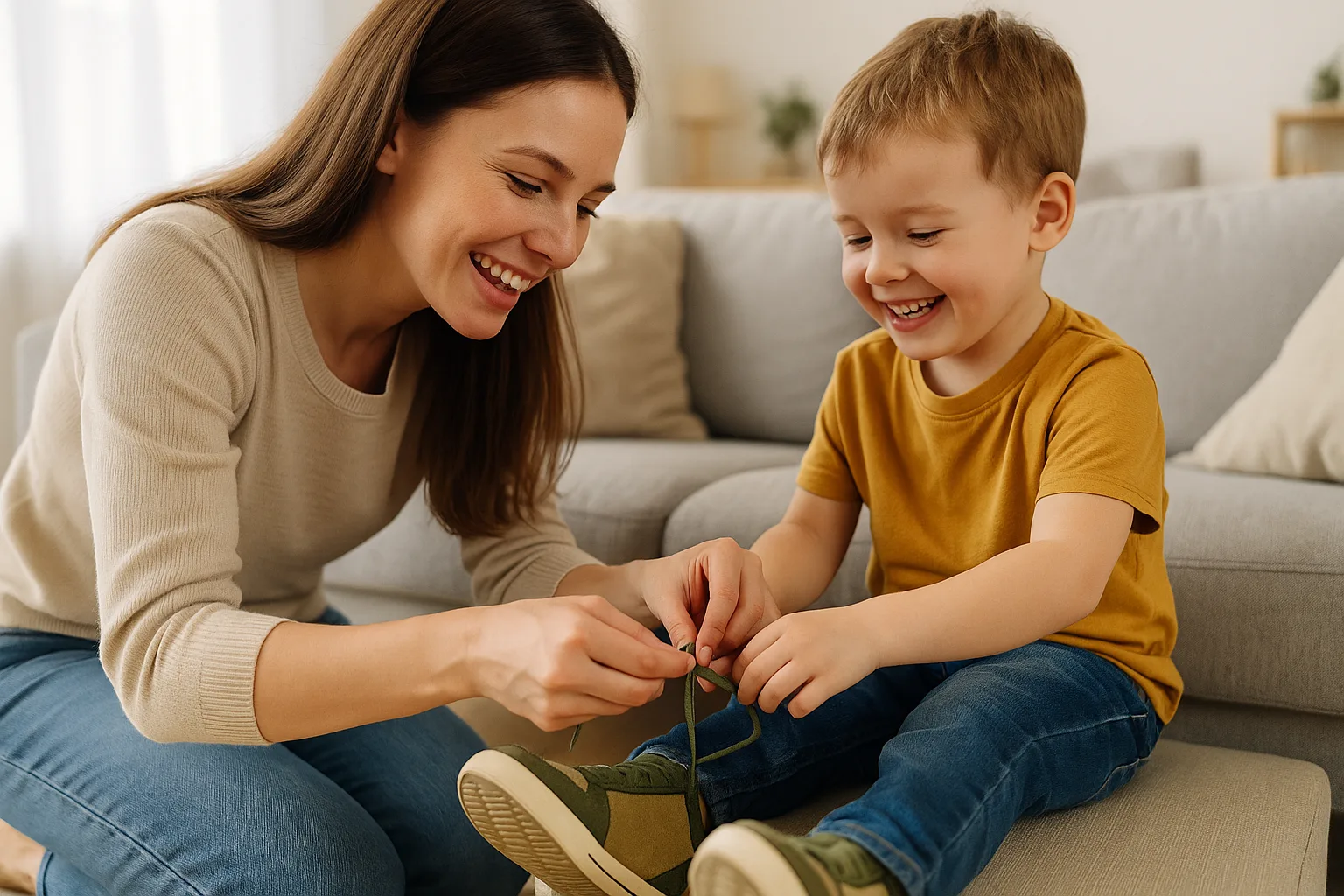

Вам также может понравиться
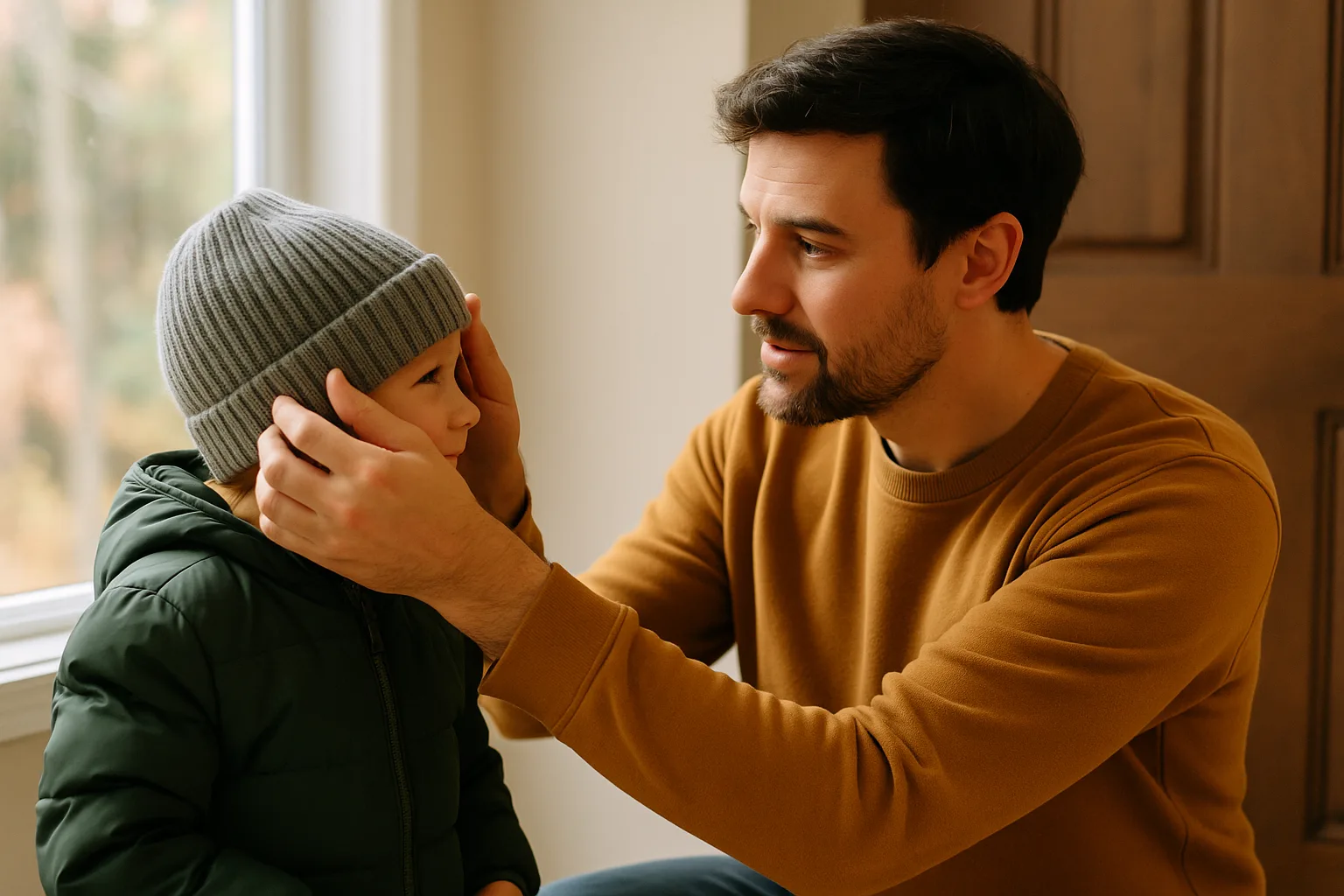
Соберите домашнюю лабораторию развития: инженерный подход к играм для грудного ребёнка

Как превратить повседневные дела в мощные упражнения для развития моторики ребёнка: практическое руководство